







Business failures hit highest level since 2009 after end of pandemic support
Reaction to the ONS data suggests many more small firms are expected to fold in the coming months as headwinds continue to intensify. The construction, retail, accommodation and food sectors were the hardest hit.
Gurpreet Narwan
Business correspondent @gurpreetnarwan
Tuesday 31 January 2023 13:21, UK

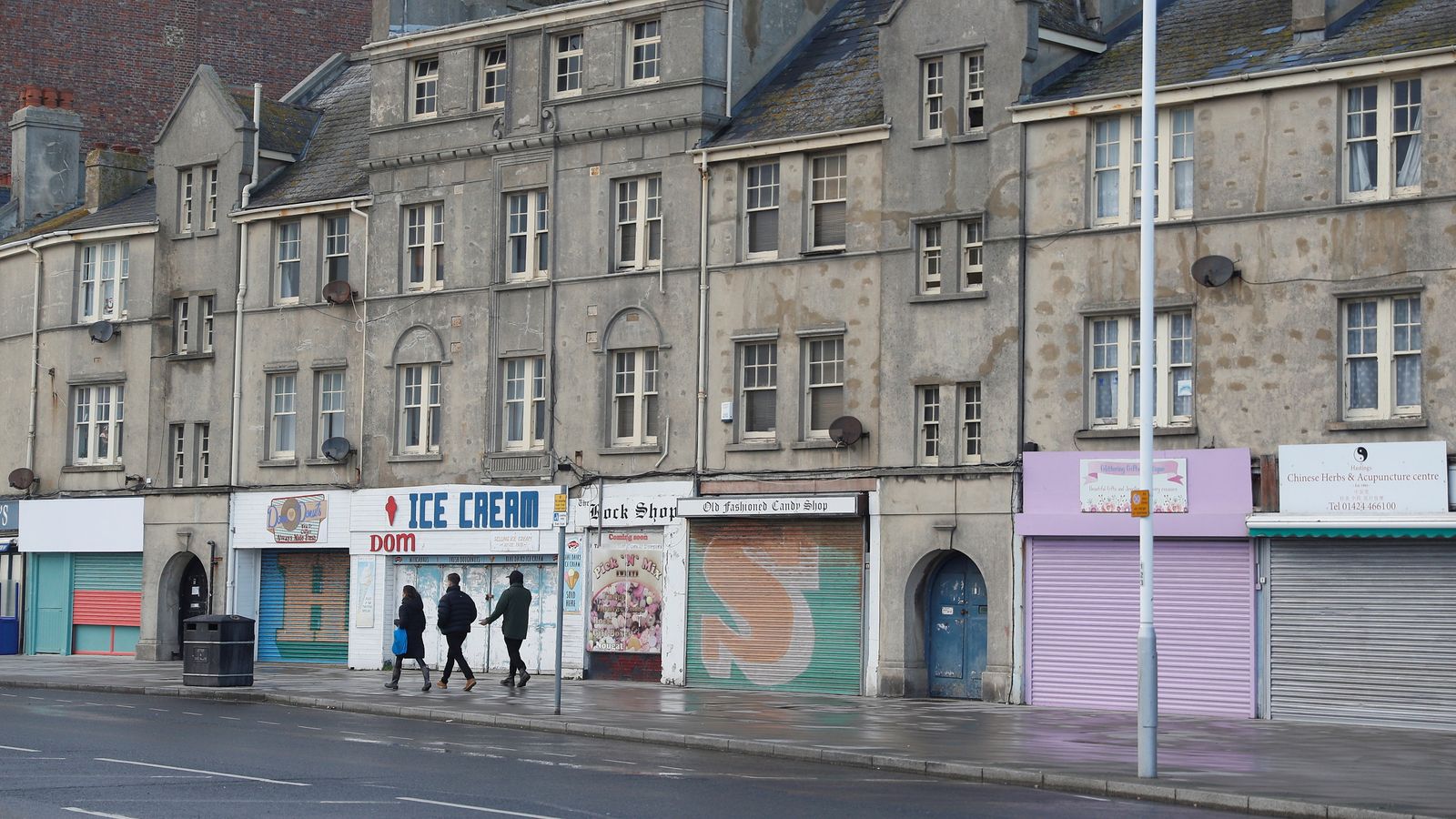
People walk past shuttered shops
Image:
The end of pandemic support for many businesses, coupled with the tough economy, spurred failures last year. File pic
Why you can trust Sky News
Corporate insolvencies have reached their highest level since the aftermath of the great financial crisis, official figures show.
There were 22,109 insolvencies in 2022, the highest figure since 2009 and an increase of 57% from 2021, when 14,059 businesses went bust.
Sponsored link
Recommended byWhat is Outbrain
Businesses are reeling from the end of the pandemic support packages, which provided a lifeline to small companies during the lockdowns.
The construction, retail, accommodation and food services sectors were the hardest hit, with businesses in these industries coming under severe strain from rising costs, staff shortages and weakening consumer demand.
The increase was driven by creditors’ voluntary liquidations, which occur when directors choose to place a company into a liquidation process.
These hit 18,821, their highest level since records began in 1960.
Administrations, in which a struggling company has failed but can ultimately continue to trade as a going concern, rose by 54.6% to 1,231.
MORE FROM BUSINESS
UK inflation: Shop prices yet to hit their peak – despite record highs seen in January
A representation of cryptocurrency Binance is seen in this illustration taken August 6, 2021. REUTERS/Dado Ruvic/Illustration
Treasury reveals ‘world-first’ proposals to regulate cryptocurrency
The retailer has 200 stores. Pic: Paperchase
Paperchase enters administration with all jobs likely to be lost as Tesco buys brand and intellectual property
Made.com has stopped taking new orders. Pic: Made's website
Image:
Made.com was among well-known names to collapse last year, with Next picking up the brand from administrators
The findings suggest that the business landscape is undergoing a correction after the pandemic support packages kept many companies alive that may have collapsed earlier.
The number of company insolvencies rose sharply but this partly reflects the higher number of active businesses.
Meanwhile, the rate of company liquidations rose to 49.5 per 10,000 active companies. This is up from 32.9 from the previous year and the highest since 2015, but only around half the level seen in 2009.
Catherine Atkinson, director of restructuring and forensics at the professional services firm PwC, said: “The Insolvency Service’s report… is a stark reflection of the challenges businesses have been and will continue to face in the first quarter of 2023.
“Financial headwinds caused by trading costs, rent, interest rates and utility bills alongside other operational pressures are causing increasing amounts of drag on companies weathering working capital pressures as they wait for payments to come in for goods and services…The next few months will be a critical time for business resilience.”